2026 Excellence in Environmental Engineering and Science® Awards Competition Winner
Grand Prize - Research
Last Piece to the Carbon Puzzle for Pure Water Southern California: Partial Denitrification-Anammox Membrane Bioreactor Process
Entrant: Los Angeles County Sanitation Districts
Engineer in Charge: Bruce Mansell, Ph.D., P.E.
Location: Carson, California
Entrant Profile
  
The Los Angeles County Sanitation Districts (Sanitation Districts) operate and maintain a regional wastewater collection system, which includes approximately 1,400 miles of sewers, 49 pumping plants, and 11 wastewater treatment plants that transport and treat about half the wastewater in Los Angeles County. Collectively, the Sanitation Districts treat approximately 400 million gallons of water per day (MGD)and produce approximately 150 MGD of recycled water.
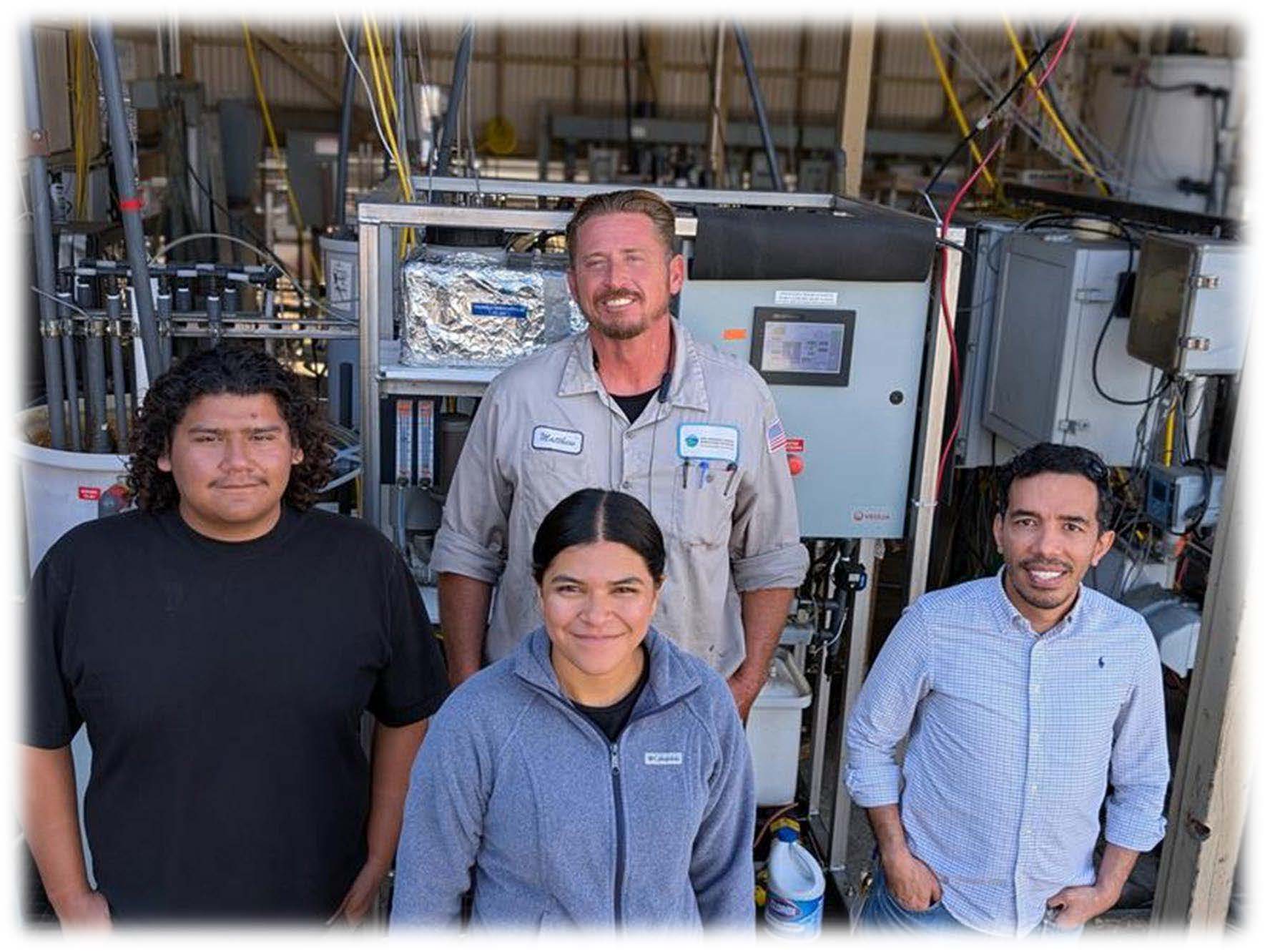
The Sanitation Districts role in this project included design, construction, operation, monitoring, and data analysis of the Partial Denitrification-Anammox (PdNA) Membrane Bioreactor (MBR) pilot system. Key members of the Sanitation Districts’ team included staff from the Wastewater Research Section: Mojtaba Farrokh Shad, Matt Robinette, Joseph Delgado, Ariana Coracero, Patricia Hsia, and Bruce Mansell.
Hazen and Sawyer (Hazen) is a consulting engineering firm with over 2,300 employees throughout the United States. Hazen’s role in this project included concept development, preliminary pilot system modeling and design as well as data analysis. Key members of the Hazen team included several biological treatment process experts: Yewei Sun, Bryce Danker, Paul Pitt, Wendell Khunjar, and Ron Latimer.
Jacobs Engineering Group (Jacobs) is a consulting engineering firm with over 45,000 employees globally. Jacobs’ role inthis project included concept development, preliminary pilot system modeling and design as well as data analysis. Key members of the Jacobs team included biological treatment process and reuse experts: Colin Fitzgerald, Tim Constantine, and Paul Swaim
Project Description
INTRODUCTION
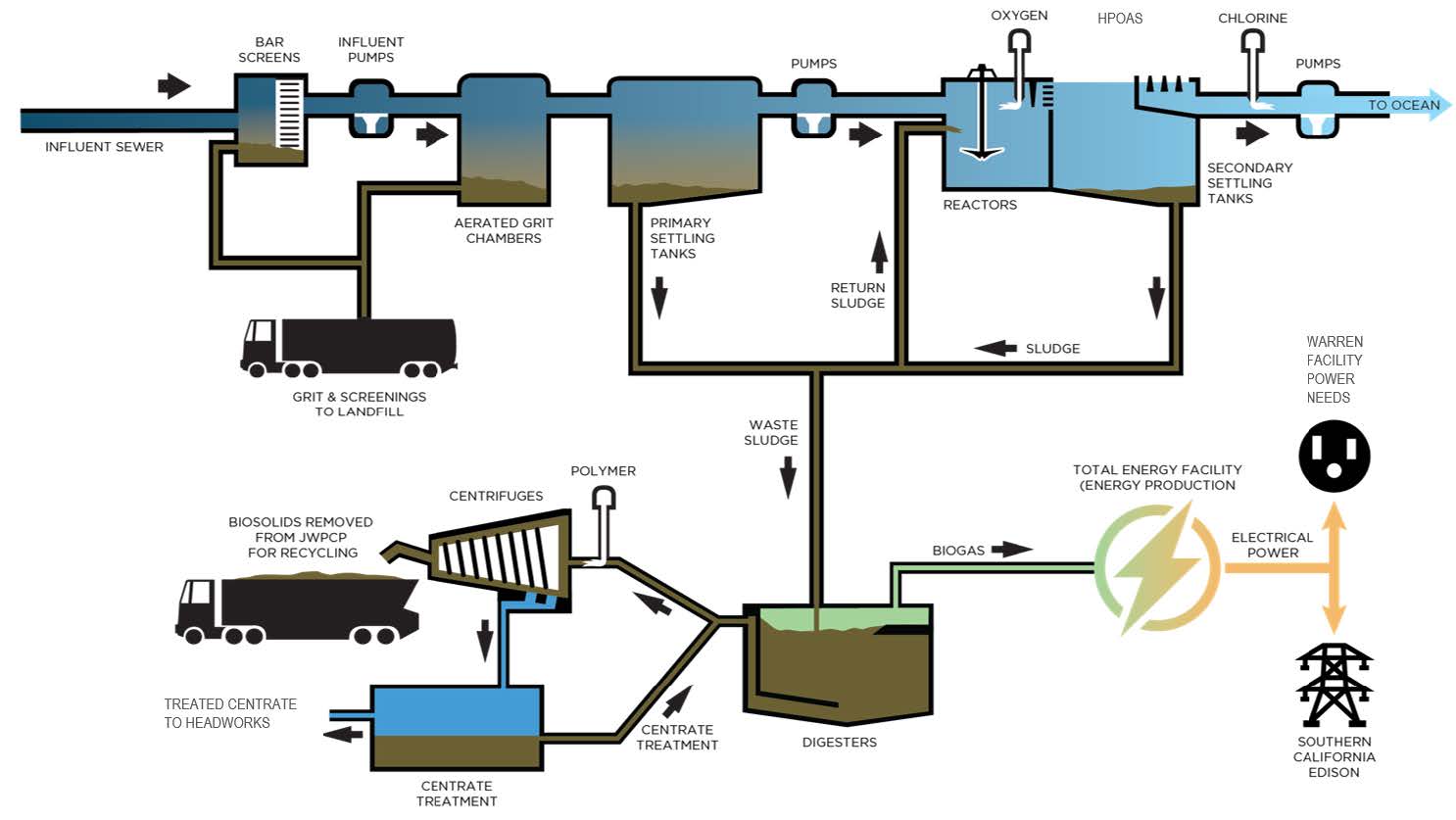
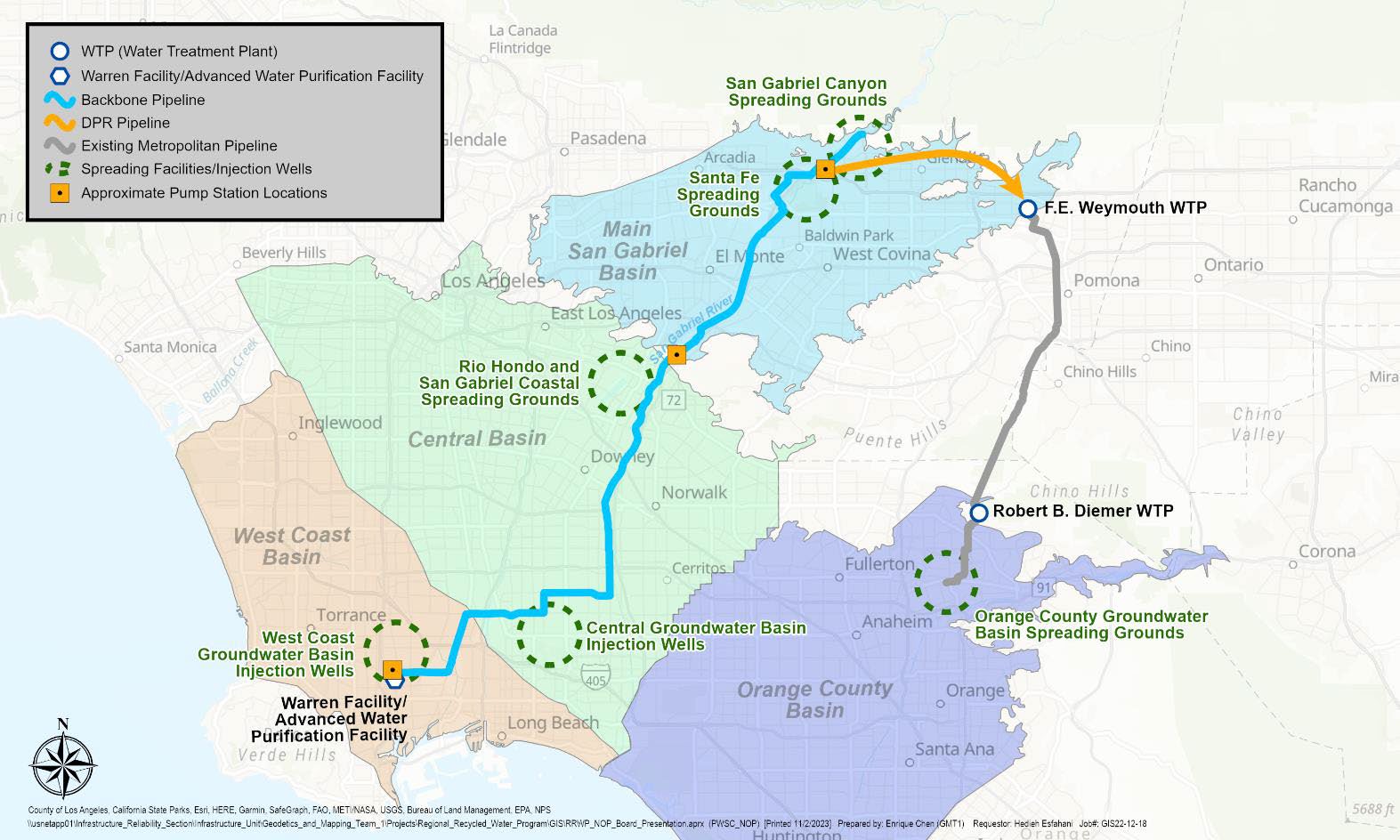
The Metropolitan Water District of Southern California and Los Angeles County Sanitation Districts (Sanitation Districts) are jointly implementing the Pure Water Southern California (Pure Water) program, which will include building a 150 million gallon per day (MGD) advanced water purification facility (AWPF) at the Sanitation Districts’ A.K. Warren Water Resource Facility (Warren Facility). The Warren Facility is a 400 MGD high-purity oxygen activated sludge (HPOAS) plant that discharges non-nitrified secondary effluent to the ocean (Figure 1). AWPF processes will include reverse osmosis and an ultraviolet light advanced oxidation process. Product water will be used for indirect potable reuse and potentially for direct potable reuse (Figure 2).
MOTIVATION
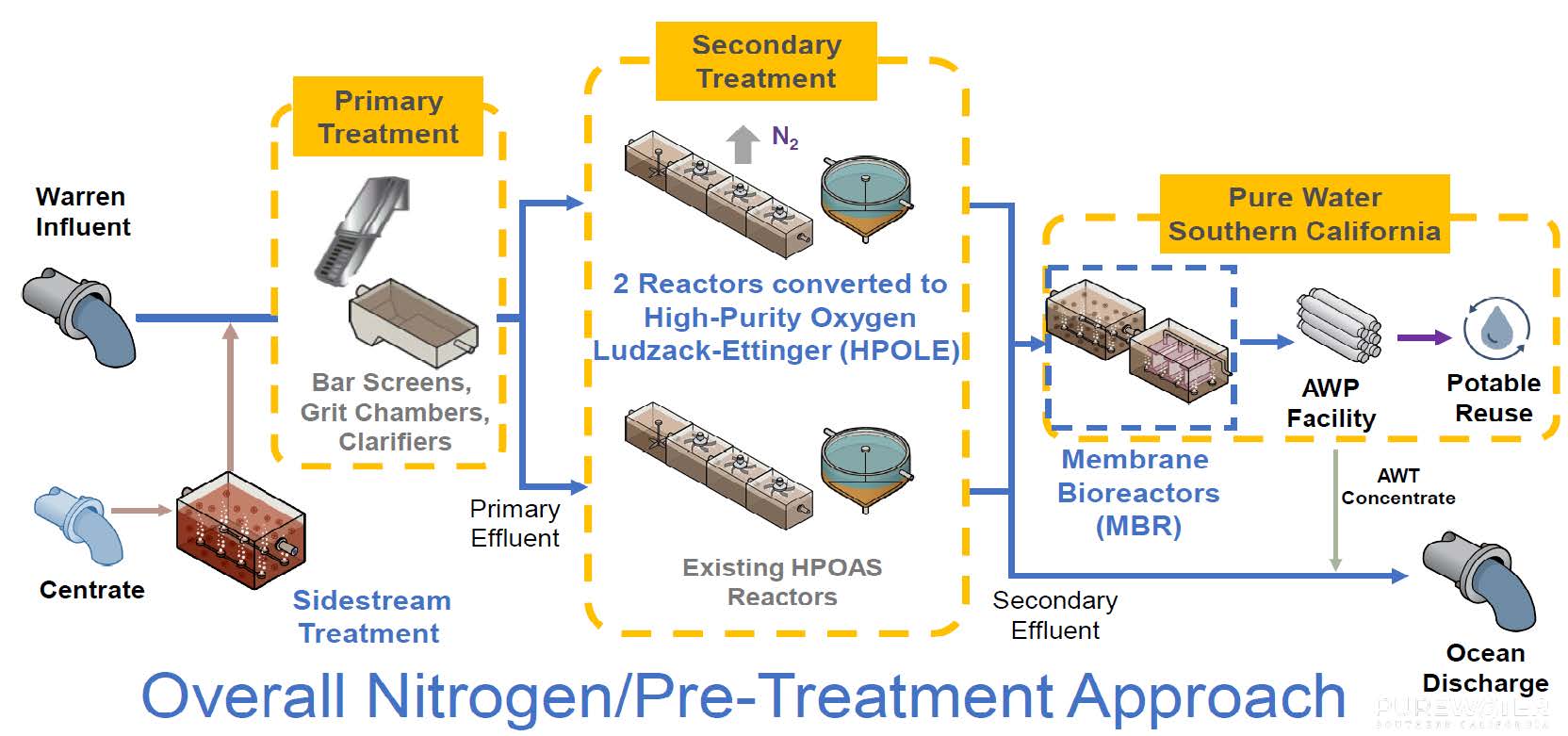
Nitrogen management is a key component of Pure Water. As such, a 180 MGD membrane bioreactor (MBR) process will be implemented as well as sidestream centrate deammonification to reduce the Warren Facility influent nitrogen load (Figure 3) (Sanitation Districts, 2024). The MBR will treat non-nitrified secondary effluent and will include a flexible design (Flex MBR) that allows for multiple operating modes, including treatment of primary effluent if needed in the future. Although Flex MBR and centrate deammonification will provide space efficient pre-treatment while also reducing operational impacts on the Warren Facility, a significant challenge is the need for supplemental carbon addition to achieve nitrogen removal via conventional nitrification-denitrification (NdN) in the Flex MBR. It is projected that 18k gal/day of carbon (MicroC® 2000, EOS, Inc.) will be needed to achieve effluent goals of complete nitrification and ≤ 19 mg NO3--N/L.
To reduce external carbon requirements, two of eight available HPOAS reactors will beoperated to achieve NdN. The viability of this innovative process (High-Purity Oxygen Ludzack-Ettinger process or HPOLE) was demonstrated at full scale (Pitt et al., 2023) and implementation is projected to reduce carbon demand to 14k gal/day.
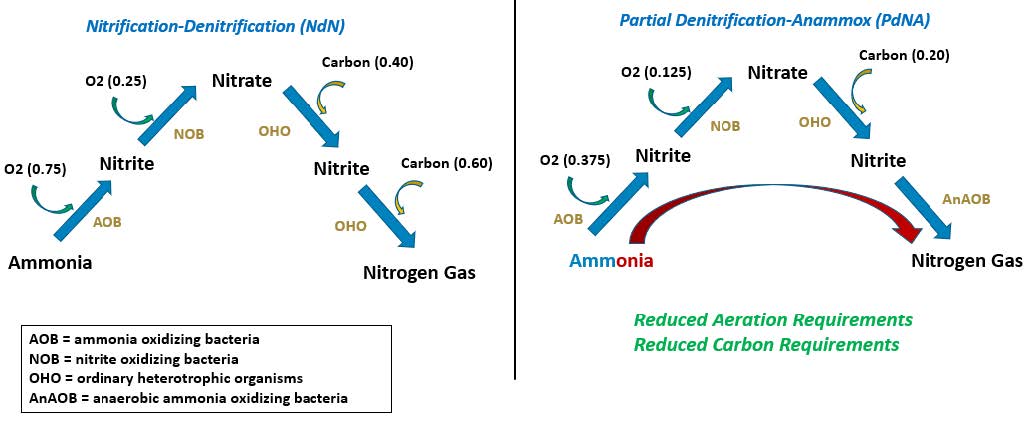
Recently, partial denitrification-anammox (PdNA) (Figure 4) has been demonstrated to significantly reduce carbon demand compared to NdN (Fofana et al., 2022; Klaus et al.,2023). Therefore, leveraging knowledge gained from two years of PdNA research at the Warren Facility (Sun et al., 2024; Farrokh Shad et al., 2025), the ability to transition Flex MBRprocess operation to PdNA was included in the full-scale design concept. Modeling projections indicated up to a 60% reduction in demand, however integration of PdNA with an MBR process had not yet been demonstrated in the industry.
RESEARCH OBJECTIVE
The objective of this study was to conduct pilot testing to validate the Flex MBR designconcept and projected reduction in carbon demand by implementing PdNA.
TECHNICAL APPROACH
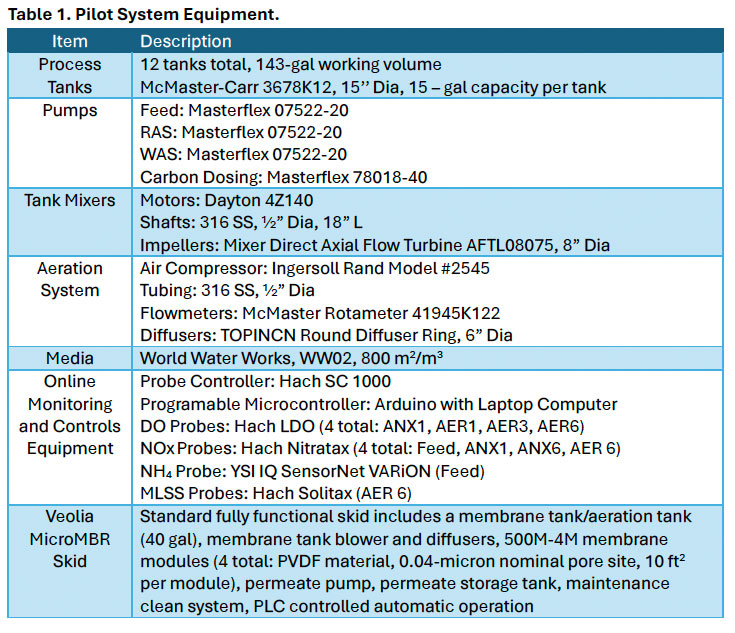
Pilot System. The pilot was designed to be a scaled version of the full-scale concept described by Fitzgerald et al. (2024) and is shown in Figures 5 – 9. A detailed pilot equipment list is shown in Table 1.
Performance Monitoring. Pilot operation and nitrogen removal performance were continuously monitored with online instrumentation as well as samples collected twice per week.
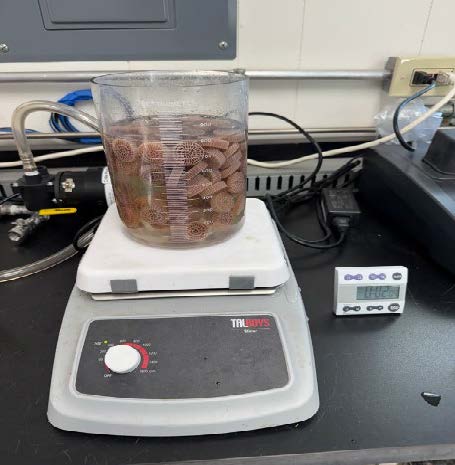
Anammox Activity Testing. Anammox activity was confirmed with batch tests by removing mediafrom the anoxic zones as described in Figure 10.
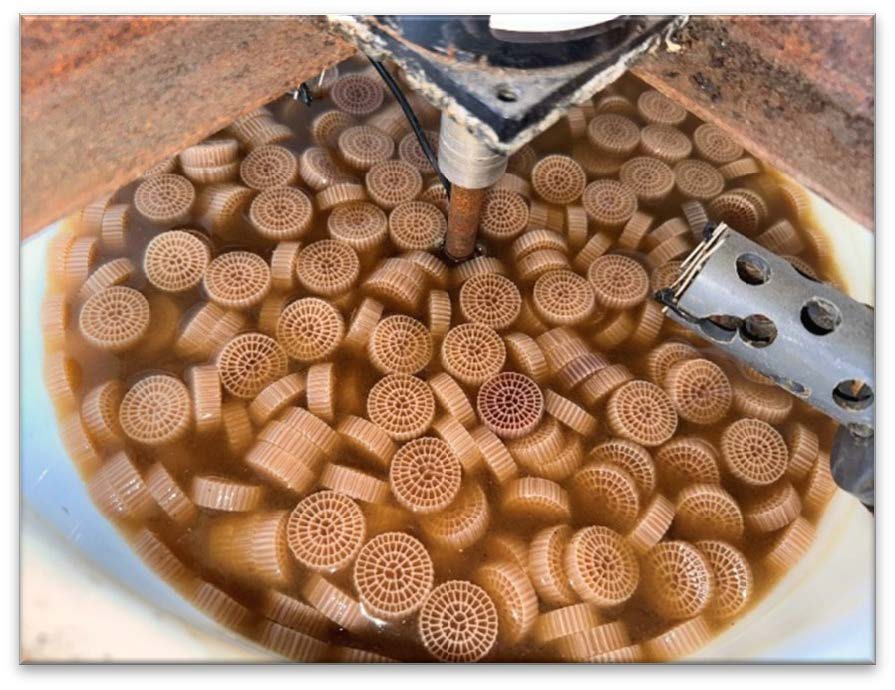
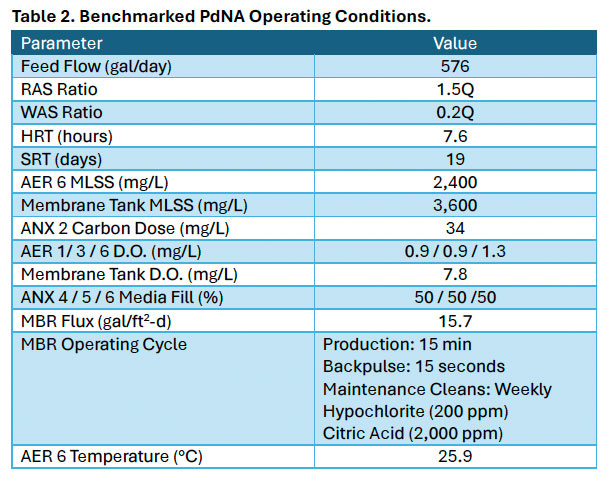
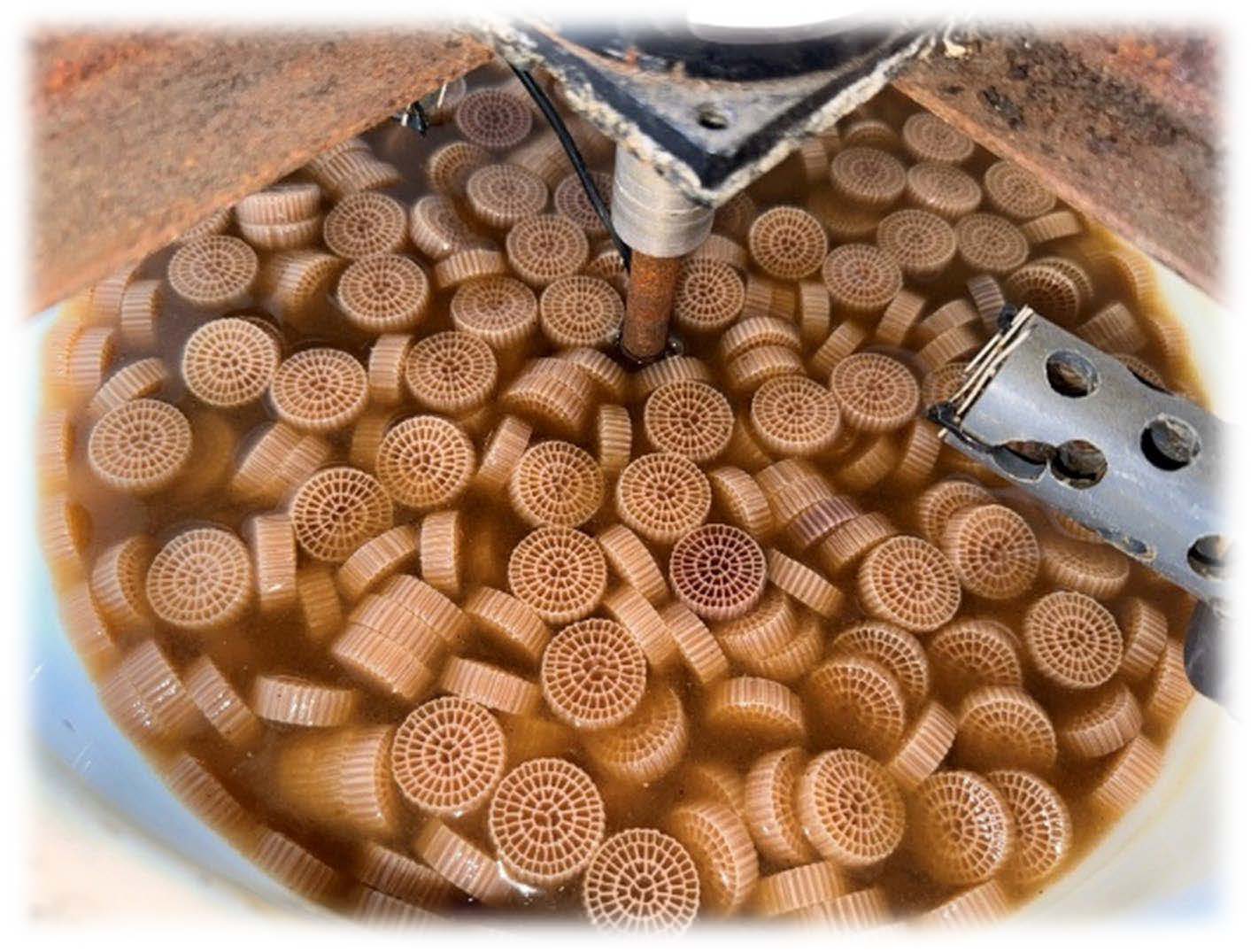
Operational Conditions. In November 2024, the pilot was started-up by seeding with suspended biomass from a demonstration-scale MBR described by Liu et al. (2025) and operated for one year. At start-up, the system was operated in NdN mode and then virgin media was added to facilitate anammox growth and transition to PdNA. Anammox activity was established after approximately four months of operation. Benchmarked PdNA operating conditions are summarized in Table 2.
KEY FINDINGS
Benchmarked performance is shown in Figures 11 - 14 with key findings summarized below.
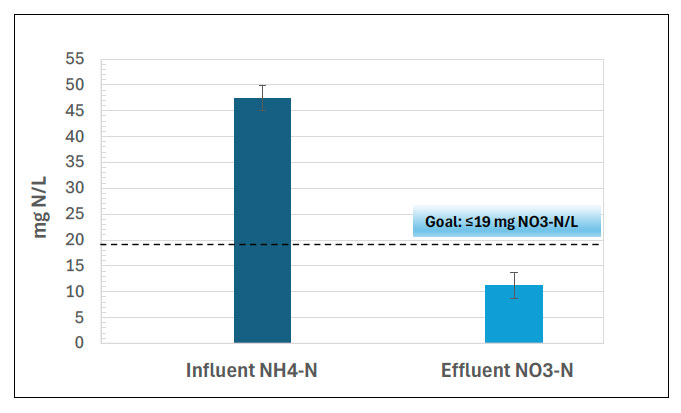
- Effluent goals were achieved (Figure 11) with average NH4 and NO3 concentrations of < 0.1mg N/L and 11.2 mg N/L, respectively.
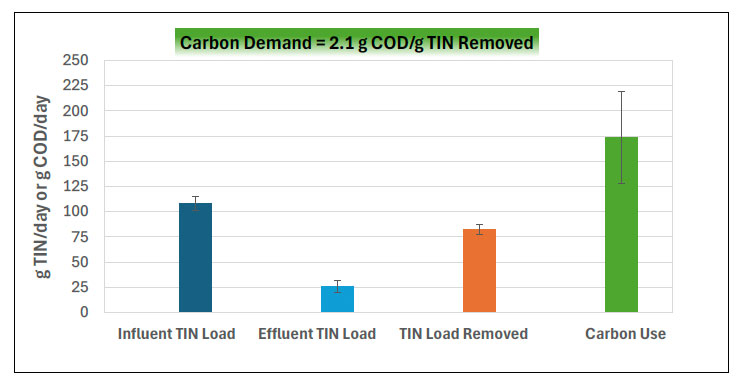
- Influent total inorganic nitrogen (TIN) load was reduced by 76% with a carbon demand of 2.1 g COD/g TIN removed (Figure 12). The observed demand is 65% lower than the 6 g COD/g TIN observed by Liu et al. (2025) during NdN testing at the Warren Facility with the same carbon source.
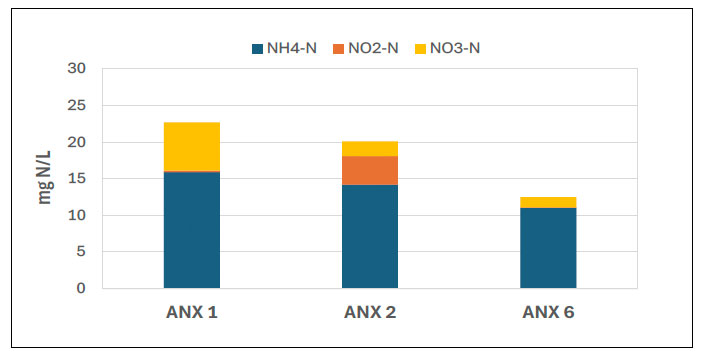
- 92% of the TIN removed from ANX 2 to ANX 6 was attributed to PdNA. Anoxic NH4 removal was 21% of the total removed through all process tanks, including AER 1 – AER 6, highlighting the aeration energy savings potential of PdNA (Figure 13).
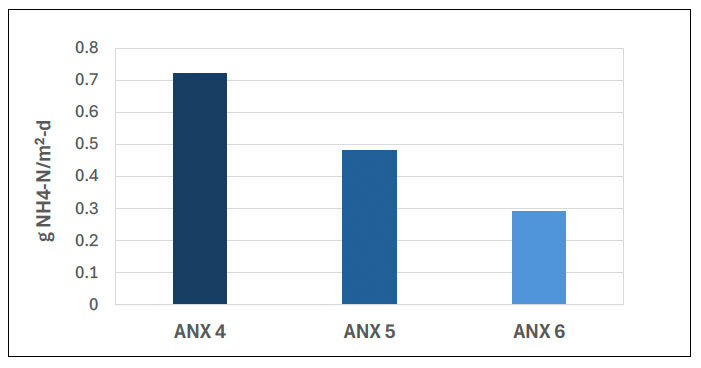
- Anammox activity was confirmed with ex-situ anoxic NH4 removal rate tests (Figure 14).
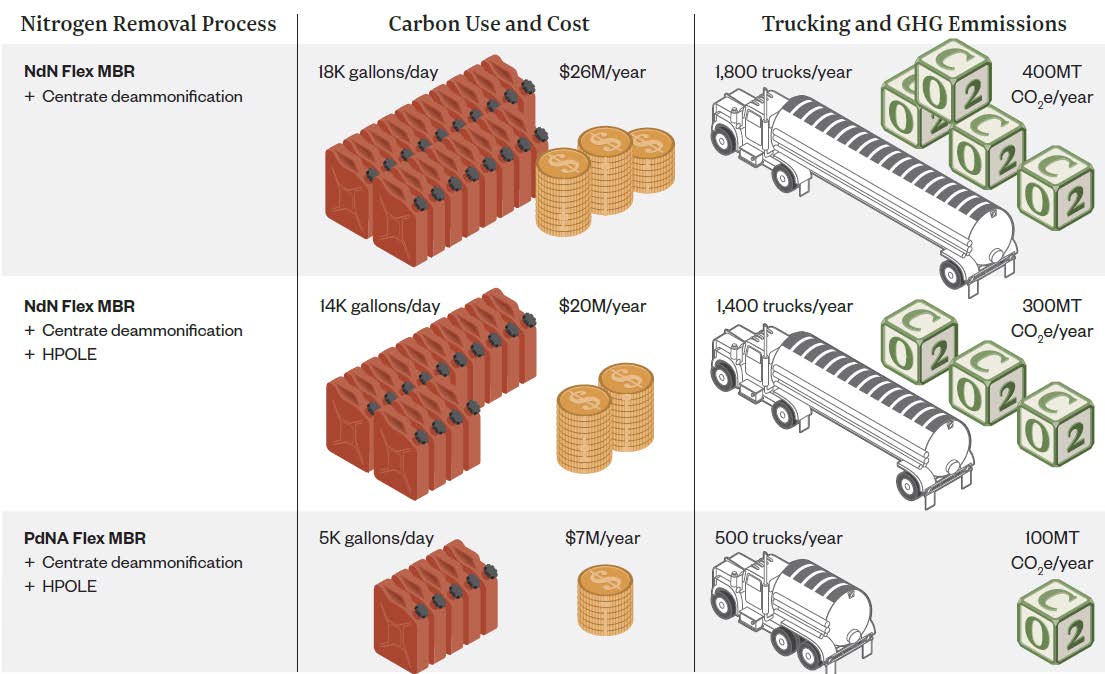
Results of this study have significant implications for Pure Water including the following estimated reductions (Figure 15).
- Carbon Demand: 14k → 5k gal/day
- Carbon Cost: 20M → 7M $/year
- Trucks: 1,800 → 500 trucks/year (72% reduction in GHG emissions)
ALIGNMENT WITH JUDGING CRITERIA
Comprehensive, Integrated Approach. An integrated approach that utilizes two innovative treatment processes, HPOLE and PdNA MBR, was developed and validated.
Quality and Proven Performance. Leveraging two years of PdNA research at the Warren Facility, a robust PdNA MBR data set was developed to validate the full-scale design concept.
Originality and Innovation. This is the first study to demonstrate the integration of PdNA with an MBR, resulting in a processthat reduces carbon demand while also producing high-quality effluent (i.e., turbidity < 0.5 NTU) suitable for treatment by AWPF processes such as reverse osmosis.
Complexity of the Problem. The Pure Water MBR facility will be one of the largest in the world once constructed. Developing a flexible design concept that allows for transition to PdNA operation is a complex problem for a facility of this scale.
Contribution to Environmental, Social, and Economic Advancement. Implementation of Pure Water will result in development of a drought-resilient water supply benefitting 19 million people in Southern California. The program benefits will go beyond water supply by fueling job creation and the local economy.
Results of this study demonstrate that significant operating cost reductions for Pure Water can berealized, allowing those savings to bepassed on to ratepayers. In addition, a significant reduction in traffic impacts on the local community and associated GHG emissions will also be realized.
Click images to enlarge in separate window.
 |
 |
|
Figure 1. A.K. Warren Water Resource Facility Process Flow Diagram.
|
Figure 2. Pure Water Southern California Program Description.
|
 |
 |
|
Figure 3. Pure Water Southern California Treatment Processes.
|
Figure 4. Conventional NdN and PdNA Nitrogen Removal Pathways.
|
 |
 |
|
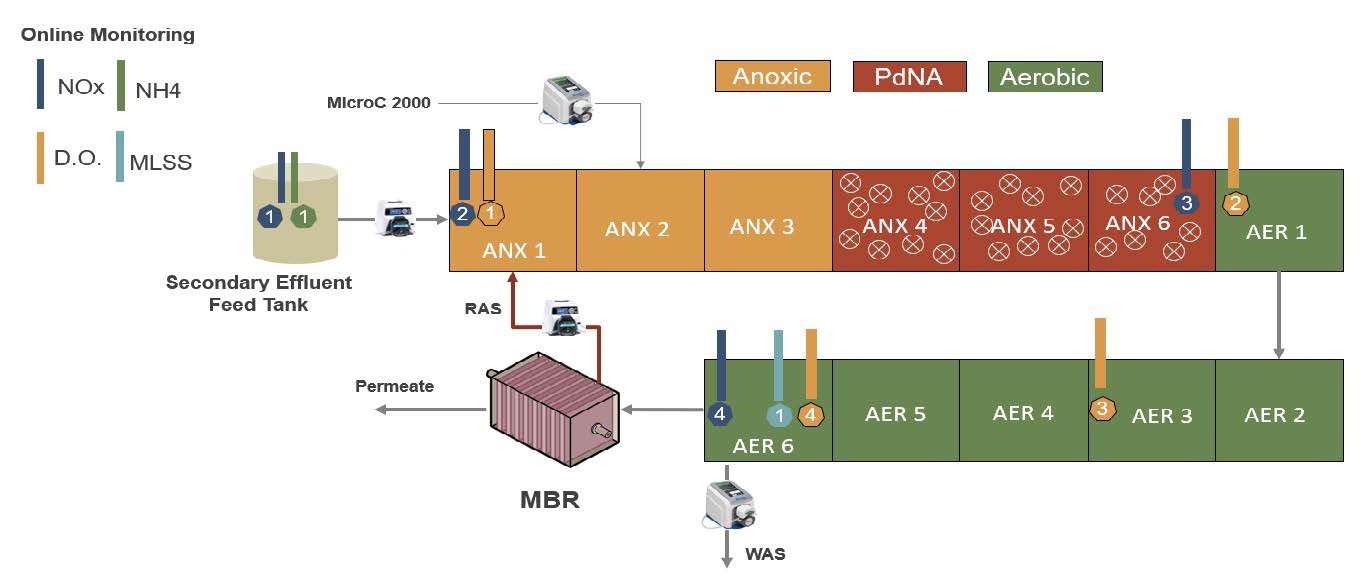
Figure 5. Pilot-Scale PdNA MBR Process Flow Diagram. The system consisted of 12 tanks divided into 6 anoxic (ANX) and 6 aerobic (AER) zones, pumps, aeration system, anoxic mixers, monitoring instrumentation, and an MBR skid. ANX 4 through ANX 6 were filled with media (World Water Works, WW02, 50% fill) to retain slow growing anammox organisms and served as PdNA zones. The pilot was fed non-nitrified secondary effluent with glycerol based supplemental carbon (MicroC® 2000) dosed into ANX 2. Mixed liquor was recycled from the MBR skid to ANX 1 which served as a deoxygenation zone.
|
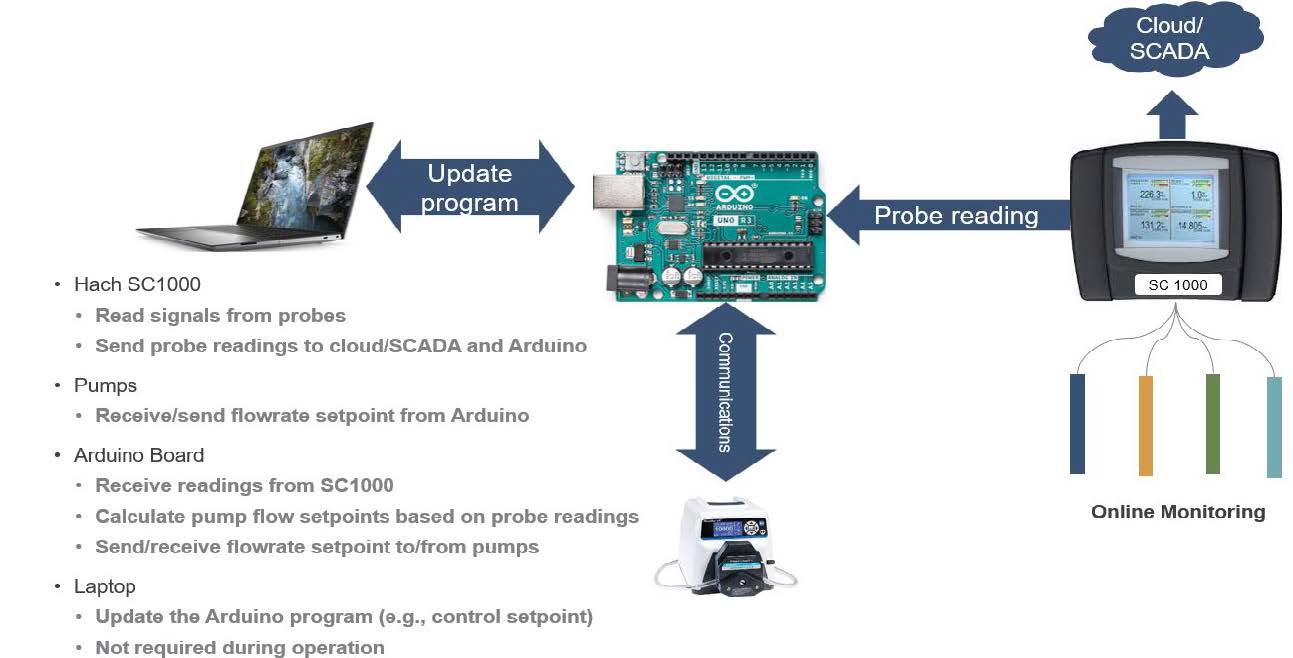
Figure 6. Pilot System Control Strategy. Pilot operation was controlled with a Hach SC 1000 controller, Arduino programable microcontroller, and laptop computer. Supplemental carbon dosing was controlled with online NO3 and DO monitoring data to achieve a target NO3 set point in ANX 6.
|
 |
 |
|
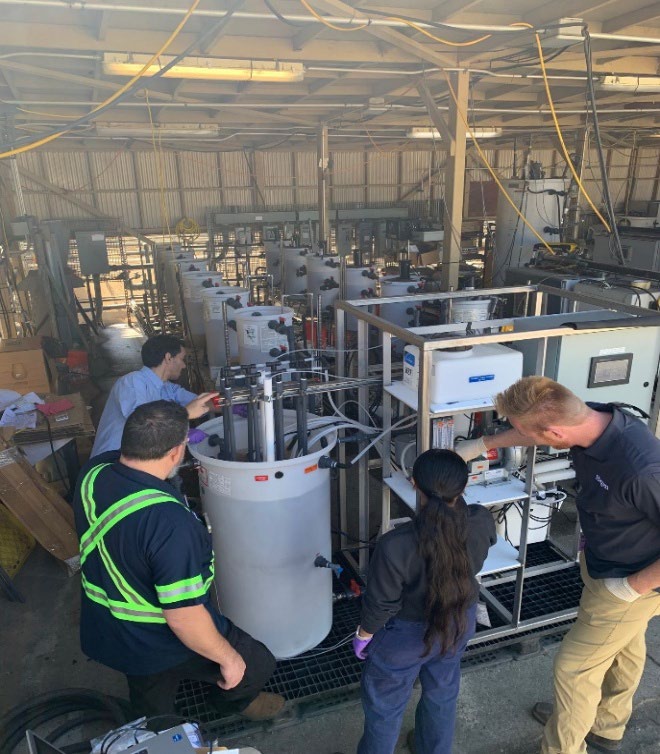
Figure 7. Pilot-Scale PdNA MBR System. The MBR skid was a stand-alone fully functional system supplied by Veolia (MicroMBR Skid).
|
Figure 8. Anoxic Zone 4 Media. Inset picture shows virgin media (white) and media populated with anammox organisms.
|
 |
 |
|
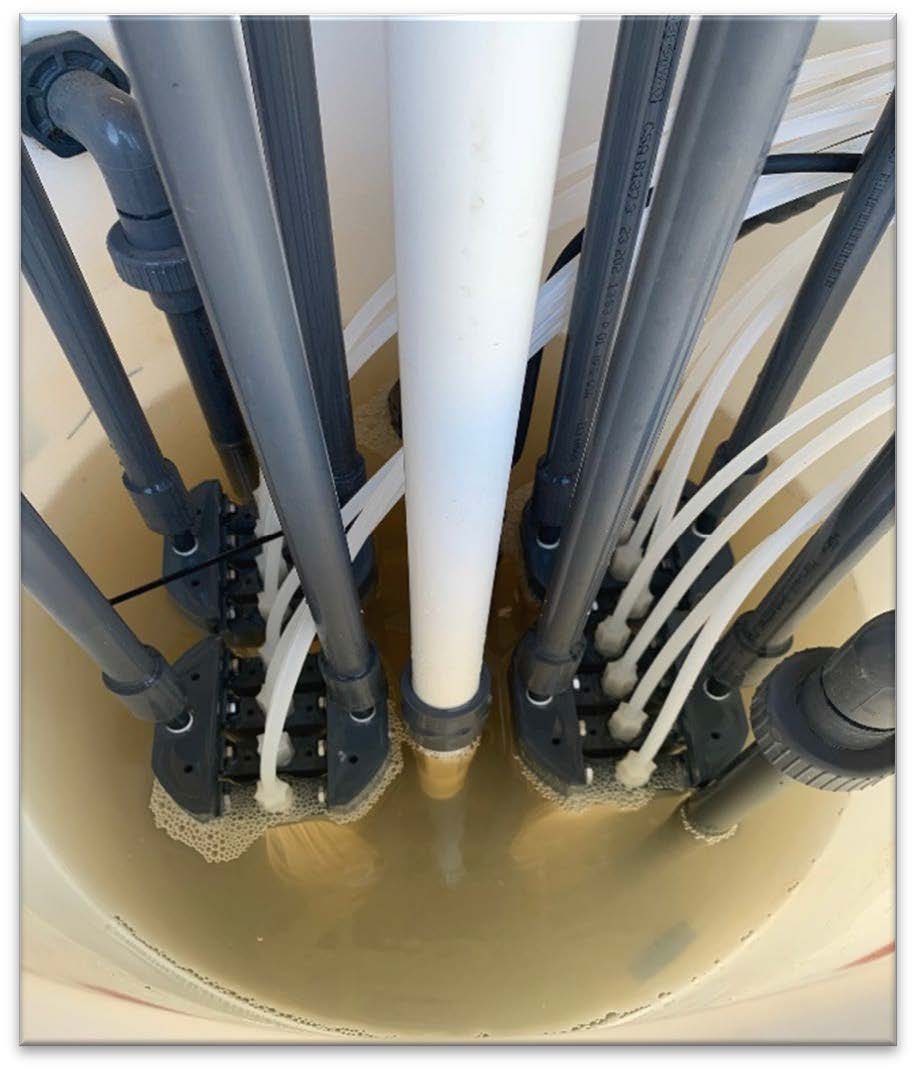
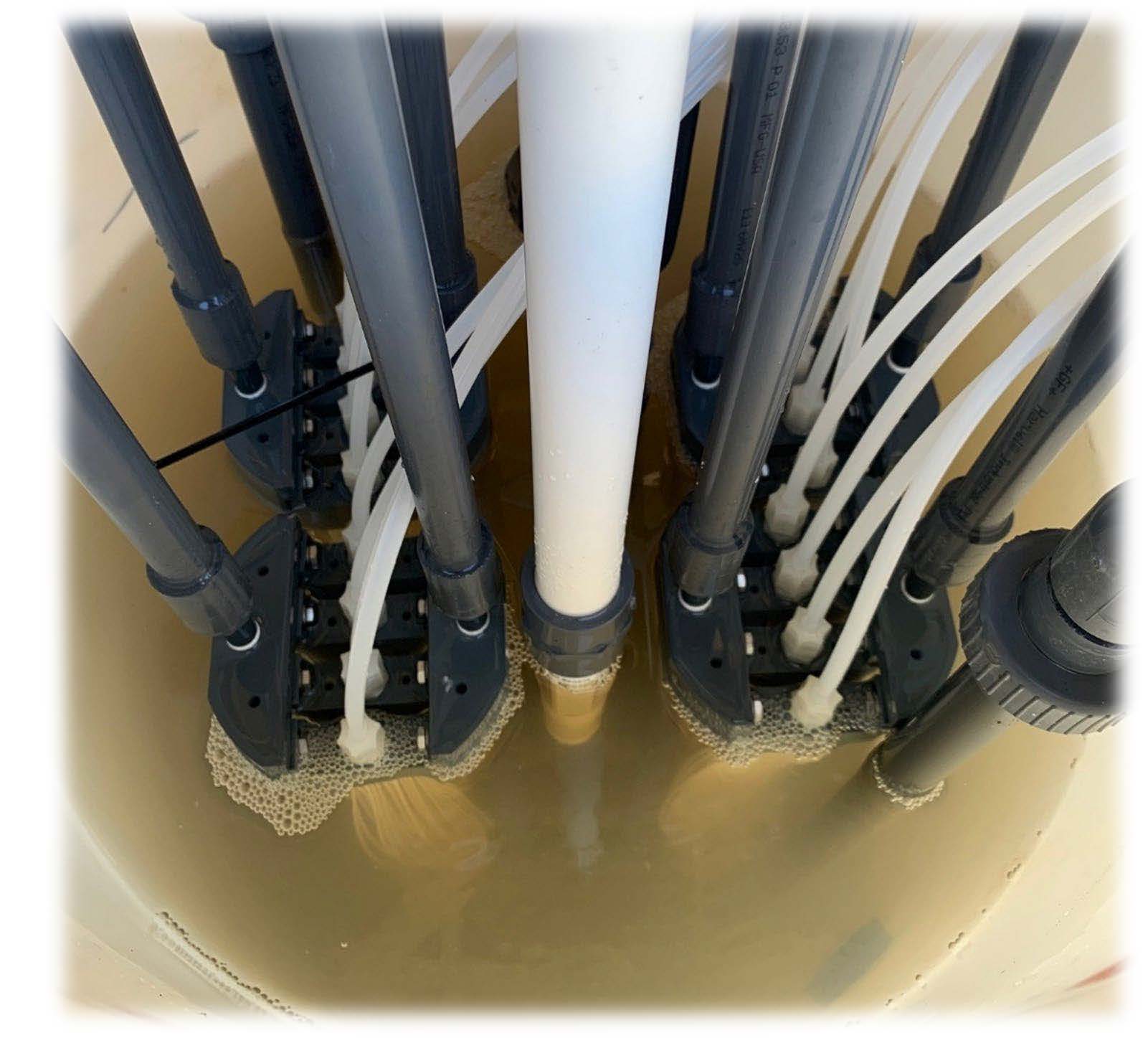
Figure 9. Veolia MicroMBR Skid Membrane Modules. Four ZeeWeed 500M-4M modules with a total active surface area of 40 ft2.
|
Figure 10. Anammox Activity Test Setup. Each batch test was performed in a 2L beaker with media taken from the pilot system anoxic zones and non-nitrified secondary effluent (50% media fill). The batches were sparged with nitrogen gas to reduce DO to <0.5 mg/L and then spiked with sodium nitrite. A magnetic stir bar was used to facilitate continuous mixing. Samples were collected every 10 minutes, filtered, and analyzed for NH4, NO3, and NO2.
|
 |
 |
|
Figure 11. Influent NH4 and Effluent NO3 Concentrations. The pilot system successfully achieved the performance goals of complete nitrification (effluent NH4-N &rt; 0.1 mg N/L, data not shown) and ≤ 19 mg NO3-N/L.
|
Figure 12. Total Inorganic Nitrogen (TIN) Load and Supplemental Carbon Use. The influent TIN load was reduced by 76%. The supplemental carbon demand was 2.1 g COD/g TIN removed.
|
 |
 |
|
Figure 13. Nitrogen Profile of Anoxic Zones. The partial denitrification (PdN) efficiency (% of ANX 1 NO3 converted to NO2 in ANX 2) was 80%. 92% of the TIN removed between ANX 2 - ANX 6 was attributed to PdNA. Anoxic NH4 removal between ANX 2 – ANX 6 was 3.2 mg N/L, representing 21% of total NH4 removal through all process tanks.
|
Figure 14. Anoxic Zones Anammox Activity Tests. Anammox activity was confirmed with ex-situ batch tests by quantifying anoxic NH4 removal rates. A gradient in anoxic NH4 removal rate was observed from ANX 4 through ANX 6.
|
 |
|
|
Figure 15. PdNA MBR Process Implications for Pure Water Southern California. Supplemental carbon source is MicroC® 2000 assuming $4/gal. MT CO2eq/year = metric tons of CO2 equivalents per year, accounts for greenhouse gas (GHG) emissions associated with supply of MicroC® 2000.
|
|
 |
 |
Click images to enlarge in separate window.
 |
 |
|
Core project team from the Los Angeles County Sanitation Districts. Top Middle: Matt Robinette (Research Maintenance and Construction Worker). Bottom Left: Joseph Delgado (Research Engineering Technician). Bottom Middle: Ariana Coracero (Research Engineering Technician). Bottom Right: Mojtaba Farrokh Shad (Lead Project Engineer).
|
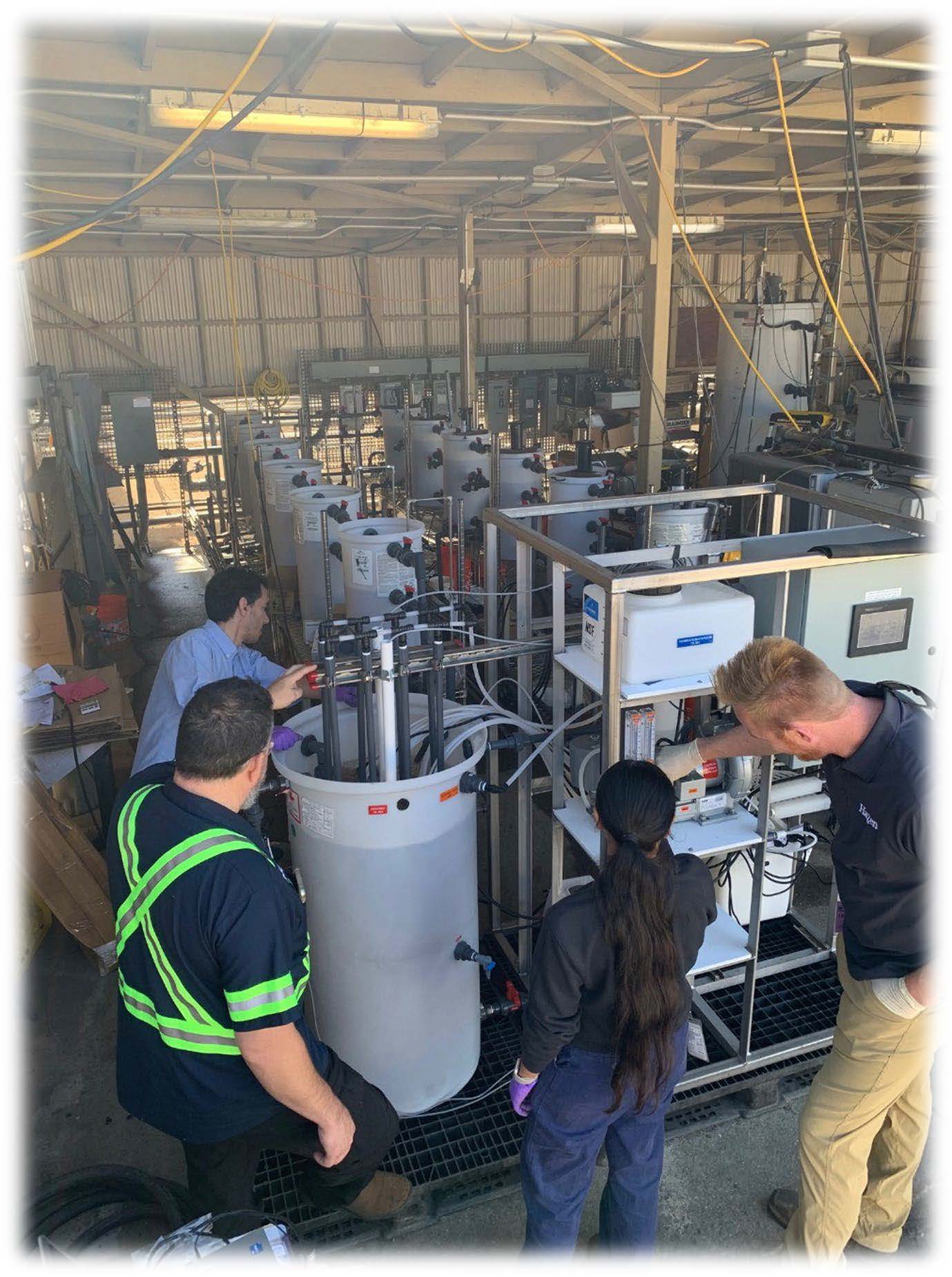
Los Angeles County Sanitation Districts, Veolia Water Technologies and Solutions (Tod Stevenson, bottom left), and Hazen and Sawyer (Bryce Danker, bottom right) staff completing installation of the PdNA MBR pilot system.
|
 |
 |
|
PdNA MBR pilot system media. Inset picture shows virgin media (white) and media populated with anammox organisms.
|
Veolia MicroMBR Skid membrane modules.
|
|