- About
- About AAEES
- AAEES Staff
- AAEES Board of Trustees
- American Academy of Environmental Engineers Certification Board
- American Academy of Environmental Scientists Certification Board
- AAEES Committees
- The History of AAEES
- Representatives to Other Organizations
- Ethics and EDI Statement
- Public Input Opportunities
- Service to the Public and the Profession
- Selecting Consultants
- Privacy Policy
- Cookie Policy
- Board Certification
- Membership
- Education & Careers
- News & Events
- Awards
- AAEES Awards Criteria
- 40 Under 40 Recognition Program
- Edward J.Cleary Award
- Excellence in Environmental Engineering and Science Education
- Gordon Maskew Fair Award
- Honorary Member
- International Honorary Member
- Ralph and Joe Bales Graber Science Award
- Stanley E. Kappe Award
- Environmental Communications Awards Competition
- Excellence in Environmental Engineering and Science Competition
- The AAEES Chapter Blue Marble Award
- Resources
- AAEES Microcredentials
- Guiding Documents
- Annual Reports
- AAEES Press Releases
- AAEES Website How To VIdeos
- Environmental Engineer and Scientist
- Environmental Engineering Body of Knowledge
- PFAS Resources
- Specialty Examination Guide
- Students and Young Professionals Resources
- Who's Who in Environmental Engineering & Science®
- Donate

2026 Excellence in Environmental Engineering and Science® Awards Competition Winner
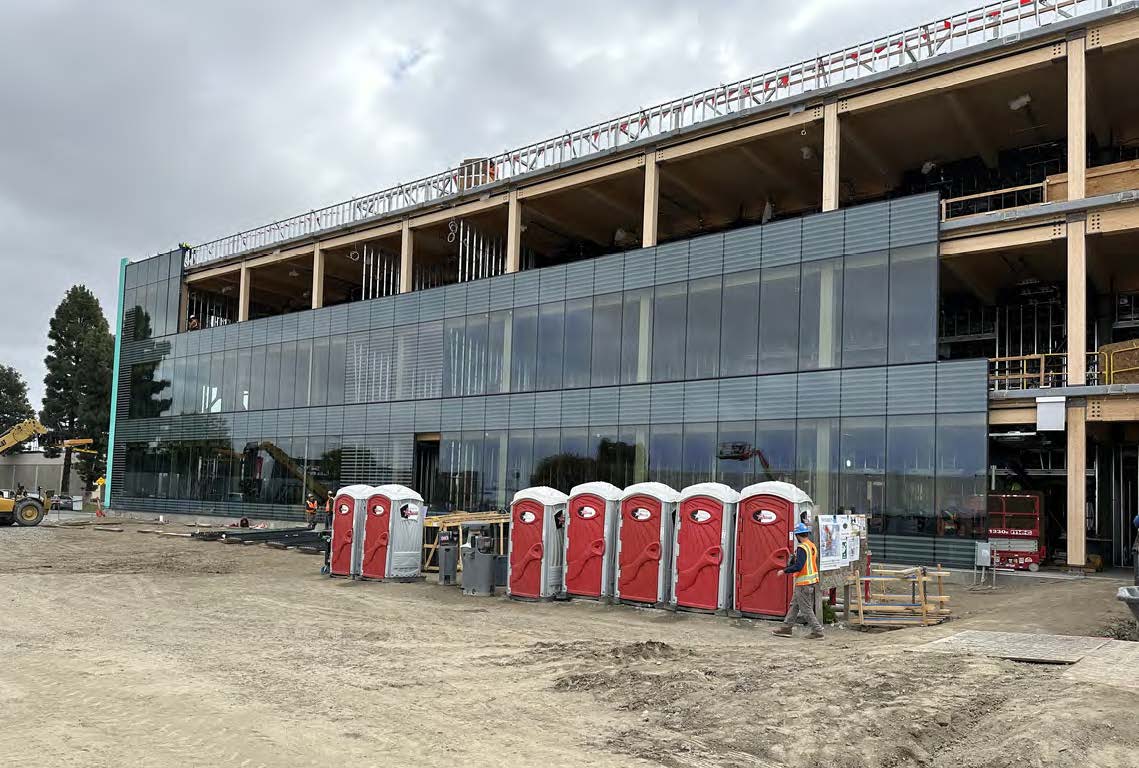
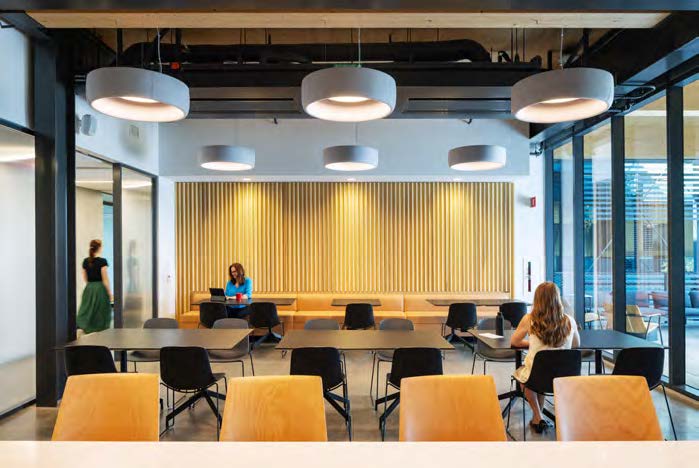
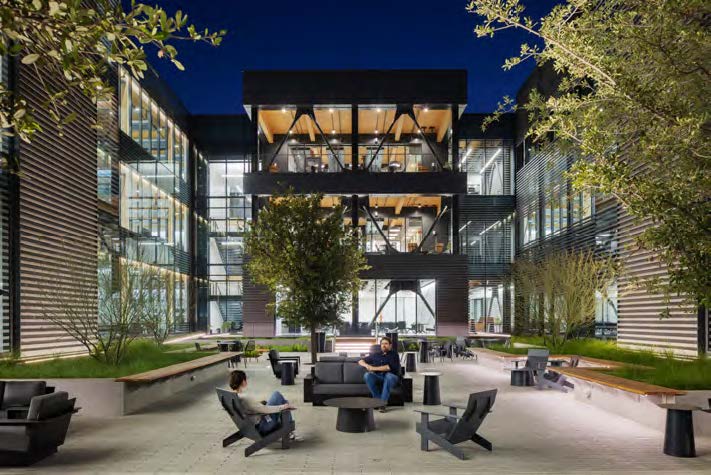
Honor Award - University ResearchOC San HeadquartersEntrant: Orange County Sanitation District Entrant Profile The Orange County Sanitation District (OC San) is a special district serving approximately 2.6 million residents across a 480-square-mile area in central and northwestern Orange County, California. Governed by a 25-member Board of Directors representing 20 cities, four special districts, and the Orange County Board of Supervisors, OC San is responsible for the collection, treatment, and recycling of wastewater to protect public health and the environment. OC San operates two major Reclamation plants—Plant No. 1 in Fountain Valley and Plant No. 2 in HuntingtonBeach—which together treat an average of 185 million gallons of wastewater per day. The agency also maintains388 miles of sewer pipelines throughout the region. Demonstrating its commitment to sustainability and innovation, OC San recently completed construction of a new 109,000-square-foot Headquarters building. This three-story facility embodies a net-zero energy design and is 60 percent more energy-efficient than a typical office building. It utilizes solar photovoltaics, reuses excess hot water from Plant No. 1, and harnesses biogas from wastewater treatment to offset nearly all operational energy needs—reducing CO₂ emissions by 95 percent. OC San’s Headquarters reflects the agency’s leadership in environmental stewardship and public service, setting a new standard for sustainable infrastructure in the public sector. Through this project, OC San continues to advance California’s climate goals while engaging and educating the community it serves. 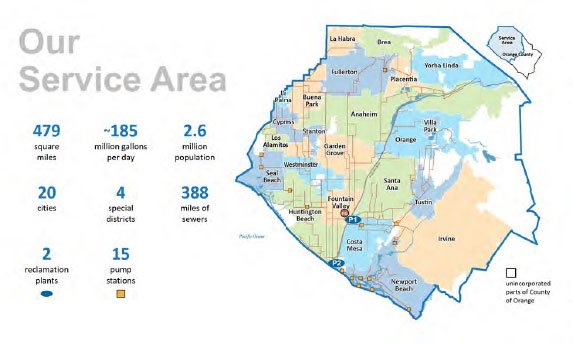
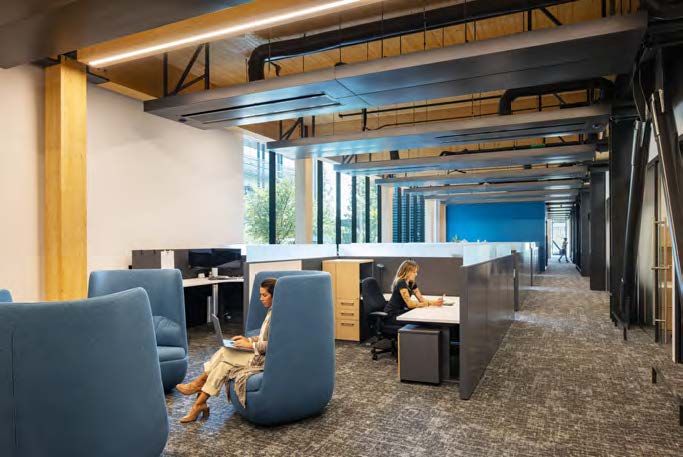
Project DescriptionThe Orange County Sanitation District (OC San) Headquarters in Fountain Valley is a testament to the agency’s leadership in environmental sustainability and innovation. Serving over 2.6 million people across central and northwestern Orange County, CA., OC San manages one of the most advanced wastewater treatment systems in the United States. The new 109,000-square-foot, three-story Headquarters facility reflects the agency’s commitment to the principles of sustainability, climate action, and resource management. The design and construction of the building align with OC San’s strategic goals for reducing environmental impacts, promoting public engagement, and ensuring long-term operational resilience. The project aimed to create a high-performance, net-zero energy building that would function not only as an administrative hub but as a flagship for sustainable public infrastructure. The building integrates advanced energy systems, sustainable materials, and innovative design to meet the needs of OC San staff while serving as a model of sustainable architecture for the public sector. The project’s success is rooted in its comprehensive, integrated approach to addressing environmental, economic, and social challenges while maintaining fiscal responsibility. 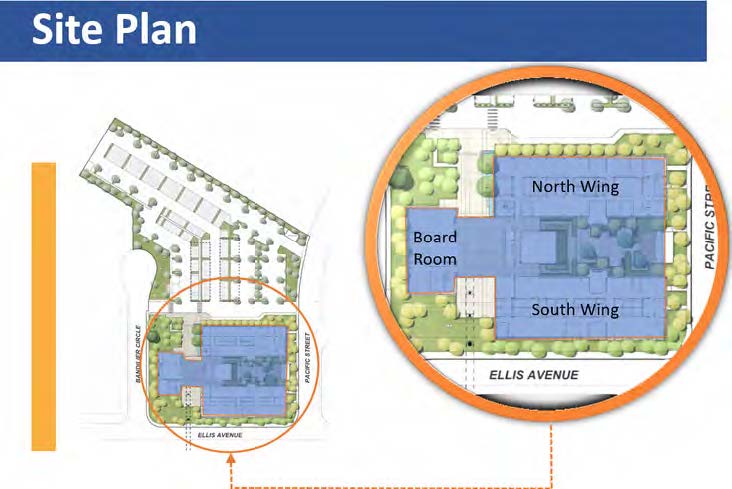
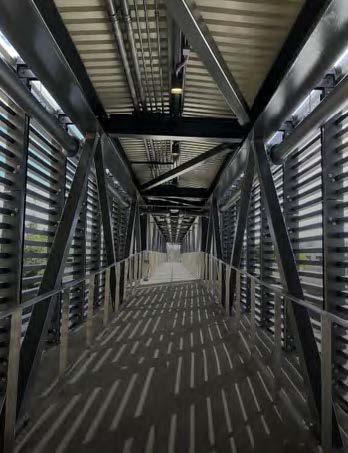
Comprehensive, Integrated ApproachThe OC San Headquarters was designed with a comprehensive approach that considered all relevant environmental media—air, water, energy, and materials. Every aspect of the project was carefully evaluated for its environmental impact and long-term sustainability. The building’s net-zero energy design was achieved through a combination of on-site renewable energy generation and cutting-edge energy efficiency technologies. A key innovation was the thermal energy loop, which captures excess heat from OC San’s nearby wastewater treatment process and transfers it across a 220-foot pedestrian skybridge to provide up to 60 percent of the building’s heating needs. This integration of infrastructure with energy systems showcases an innovative approach to resource management that reduces reliance on external energy sources and cuts carbon emissions by 95 percent. Furthermore, biogas produced from the wastewater treatment process offsets nearly all of the building’s remaining energy consumption. This biogas integration positions OC San at the forefront of climate action, dramatically reducing the building's carbon footprint and contributing to OC San’s overall sustainability goals. The project aimed to create a high-performance, net-zero energy building that would function not only as an administrative hub but as a flagship for sustainable public infrastructure. The building integrates advanced energy systems, sustainable materials, and innovative design to meet the needs of OC San staff while serving as a model of sustainable architecture for the public sector. The project’s success is rooted in its comprehensive, integrated approach to addressing environmental, economic, and social challenges while maintaining fiscal responsibility.  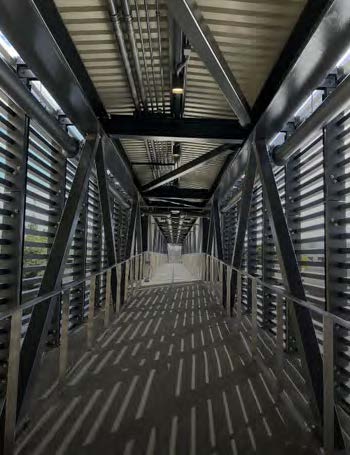
ComplexityThe challenges faced during the design and construction of the OC San Headquarters were significant. The project needed to address not only the technical complexities of net-zero energy design but also the logistical challenges presented by the pandemic-era construction environment. Despite supply chain disruptions and the global health crisis, the project team was able to maintain the building’s ambitious sustainability targets, showcasing the resilience and adaptability of the design team. The integration of multiple energy systems, the use of sustainable building materials, and the seamless connection to existing wastewater infrastructure required a level of coordination and expertise that went beyond typical public sector projects. The building also needed to be flexible, supporting a variety of staff needs while engaging the public and promoting sustainability education. This complexity was managed through close collaboration with the design firm HDR Inc., contractor Swinerton, and OC San’s Board of Directors, who provided ongoing strategic oversight. 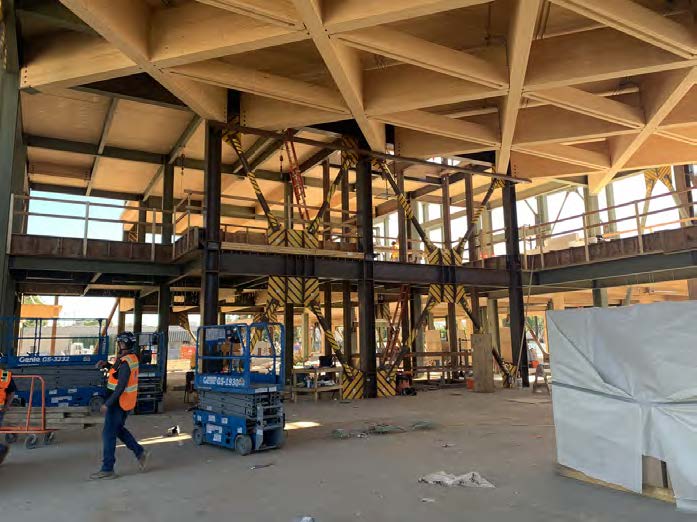 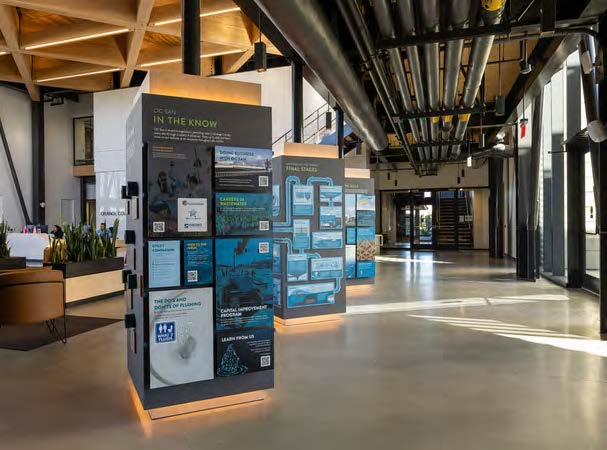
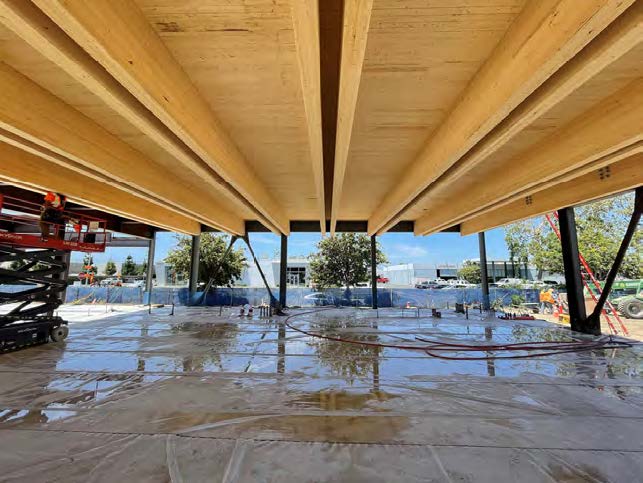
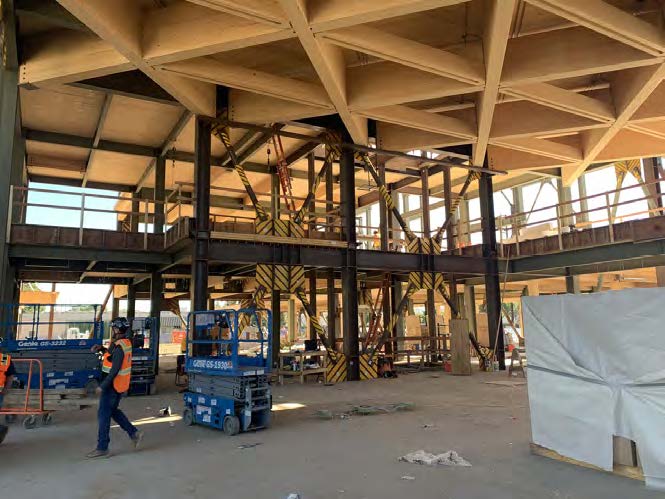
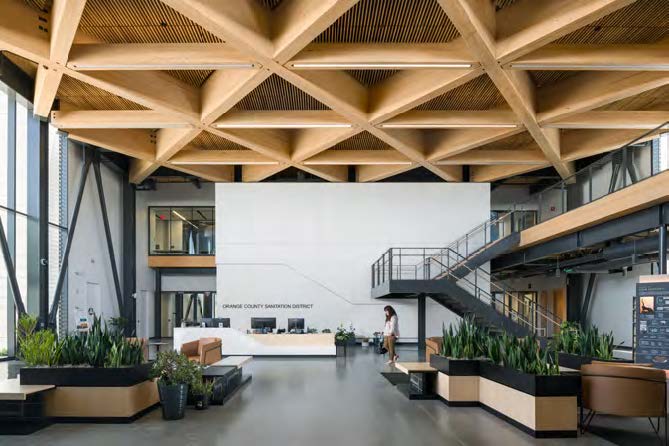
Originality and InnovationThe design of the OC San Headquarters is a blend of creativity, new knowledge, and the innovative application of existing technologies. One of the most notable innovations is the thermal energy loop, which connects the headquarters to the wastewater treatment plant, using waste heat to heat the building. This approach not only reduces energy costs but also creates a direct link between the agency’s core mission—wastewater treatment—and its energy needs. By repurposing excess heat from the treatment process, the facility becomes an exemplar of how infrastructure can be integrated to create a sustainable, closed-loop system. In addition, the building’s biogas integration system further pushes the boundaries of sustainability. By capturing methane from the wastewater treatment process, OC San is able to produce renewable energy which can power the building, thus reducing its reliance on fossil fuels and dramatically cutting carbon emissions. This level of innovation is groundbreaking in the public sector and sets a new standard for sustainable infrastructure. OC San’s Headquarters represents the intersection of rigorous scientific discipline and real-world performance. The project was guided by a detailed lifecycle cost analysis, ensuring that decisions balanced fiscal responsibility with environmental stewardship. This approach led to the selection of materials and systems that offered long-term financial and environmental benefits. For example, the building’s hybrid structure of mass timber and steel reduces embodied carbon by 58%, while responsibly sourced cross-laminated timber (CLT) enhances the building’s insulation, promotes carbon sequestration, and improves occupant comfort. The building’s energy systems also go above and beyond California’s stringent Title 24 energy standards, surpassing expected performance and ensuring that the facility’s environmental footprint remains minimal. The project is expected to earn LEED Gold certification, a reflection of its proven performance in sustainable design and energy efficiency. 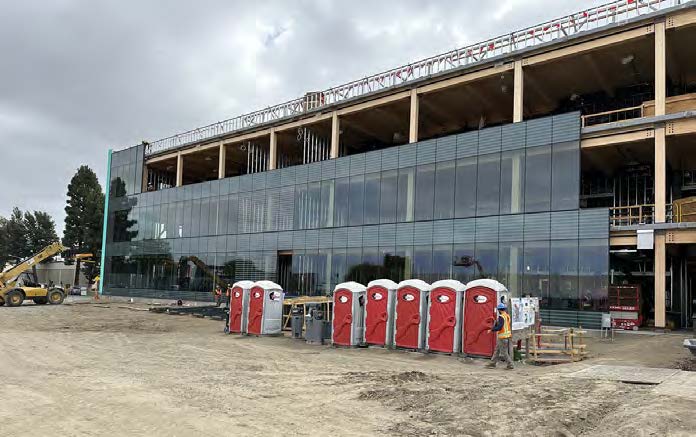
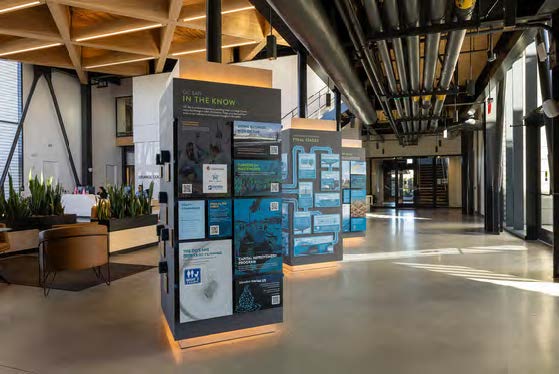
Contribution to Social or and Economic AdvancementBeyond its environmental and economic performance, the OC San Headquarters offers significant social value. The building serves as an educational hub, welcoming over 3,000 visitors annually to learn about water treatment, sustainability, and climate change. Through interactive exhibits and educational signage, the building helps to raise awareness of the critical importance of sustainable water management and resource recovery. This aligns with OC San’s mission to not only protect the environment but also to inform and engage the public in climate action and environmental stewardship. The facility also promotes social and community wellness through features like 16 electric vehicle charging stations and friendly landscaping, encouraging low-carbon commuting and providing green spaces for staff and visitors. Headquarters is a place where sustainability and community engagement intersect, offering both tangible and intangible benefits to the surrounding area. Economically, the building offers a strong return on investment. By generating its own energy, OC San has significantly reduced utility expenses, shielding the agency from energy market volatility and allowing for reinvestment in future sustainability initiatives. The building’s design also lowers long-term maintenance costs and improves staff productivity, making it a financially sound decision for the agency and the broader community. 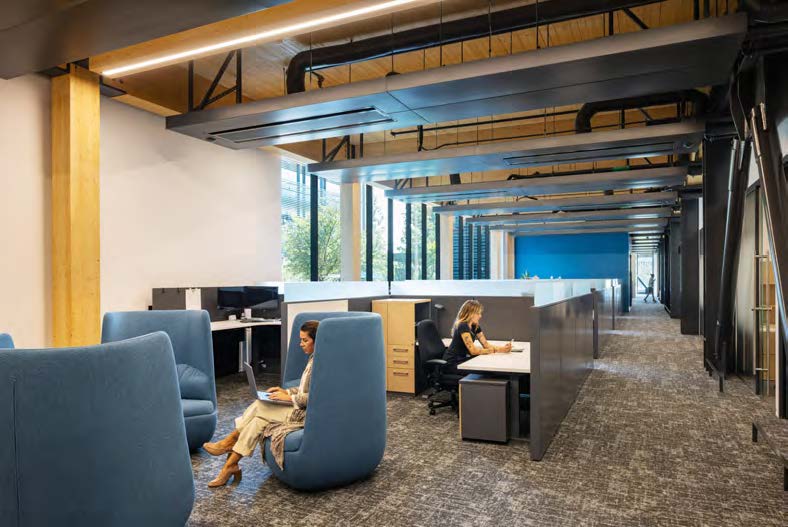 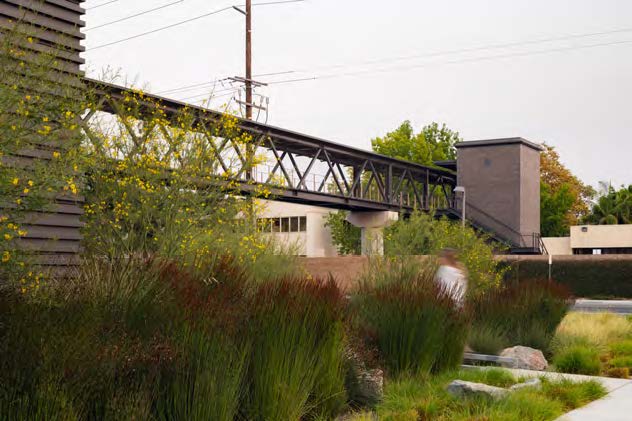 Click images to enlarge in separate window.
Click here to return to the list of 2026 winners. |






Our Partners